
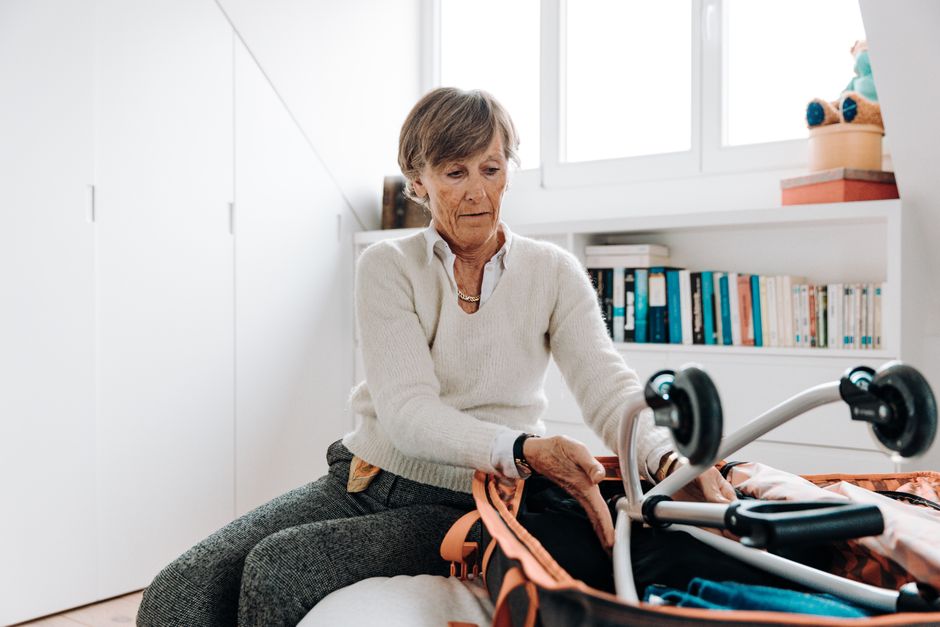
Moving to assisted living is easier when the transition is treated as a series of manageable steps rather than one large event. For residents of Hamburg, PA, planning ahead can reduce stress, protect personal routines, and help the new living space feel familiar sooner.
What should be done before moving day?
The most useful preparation usually happens several weeks before the move. Begin by confirming the residence’s move-in requirements, room measurements, medication procedures, paperwork deadlines, and preferred arrival time.
Ask for written information about:
- The services included in the monthly fee
- Additional charges for medication assistance, transportation, or personal care
- Laundry and housekeeping arrangements
- Dining schedules and meal choices
- Visiting policies
- Emergency procedures
- Rules for furniture, appliances, pets, and decorations
- How care needs are reviewed if health changes
Keep important documents together in one clearly labeled folder. This may include identification, insurance information, medication lists, physician instructions, advance directives, emergency contacts, and copies of legal documents such as a power of attorney.
If the move follows a hospitalization, fall, or sudden change in health, allow extra time for medical information to be transferred accurately. A current medication list should include the name, dose, schedule, reason for use, and prescribing clinician for every prescription, over-the-counter medicine, vitamin, and supplement.
How can someone decide what to bring?
The goal is not to recreate an entire house. It is to create a safe, comfortable living space that supports familiar habits.
Start with items used every day. Clothing, toiletries, reading materials, hearing-aid supplies, glasses, preferred bedding, photographs, and a favorite chair often matter more than large amounts of furniture. Bring enough seasonal clothing without overfilling closets or drawers.
For households in Hamburg, seasonal planning deserves attention. Winters can bring cold temperatures, snow, and icy walking surfaces, while summer may bring heat and humidity. Pack warm outerwear, nonslip footwear, gloves, hats, and clothing that can be layered. Label coats, sweaters, shoes, and other frequently laundered items.
Avoid bringing rugs, cords, unstable furniture, or decorative objects that could create tripping hazards. Before moving in, ask whether the room has space for a microwave, electric kettle, small refrigerator, or other appliance. Some residences restrict appliances for fire-safety reasons.
A simple inventory with photographs can help track valuable items. Jewelry, cash, collectibles, and irreplaceable documents may be safer when kept with a trusted family member rather than stored in the apartment.
What should happen on the first day?
The first day should focus on orientation, comfort, and basic safety rather than unpacking everything perfectly.
Set up the items that make the room functional right away:
- Medications and approved medication supplies
- Toiletries and personal care items
- Comfortable clothing
- A telephone or communication device
- Glasses and hearing aids
- A calendar or clock
- A few familiar photographs or decorations
- Important contact information
Show the resident how to use the call system, telephone, television, thermostat, lighting, bathroom fixtures, and door locks. If the residence uses a particular emergency button or wearable device, confirm that the resident can operate it independently or knows when to request help.
Walk through the route to the dining room, activity areas, outdoor spaces, and common rooms. If memory loss, vision changes, or mobility limitations are present, simple signs, contrasting colors, or a consistent arrangement of belongings may make navigation easier.
Do not rush to fill every quiet moment. A resident may need time to rest after the physical and emotional work of moving.
How can routines be preserved?
Familiar routines provide stability during a major change. Share useful details with staff, such as the resident’s usual wake-up time, preferred bedtime, bathing habits, favorite foods, religious or cultural practices, hobbies, and typical signs of discomfort or anxiety.
A short written profile can be helpful. It might explain:
- What helps the resident feel calm
- Which foods are disliked or medically restricted
- Whether the resident prefers conversation or quiet
- How the resident communicates pain or fatigue
- What activities have personal meaning
- Which family members should be called first
Preserving independence is also part of a smooth transition. A resident may still be able to choose clothing, organize personal items, select meals, or participate in activities even when assistance is needed with bathing, dressing, medication, or mobility.
Family members sometimes take over too quickly because they want to help. Offering choices instead of making every decision can protect dignity and confidence.
How should medications and health information be handled?
Medication procedures should be clarified before move-in, not assumed. Pennsylvania assisted living residences and personal care homes operate under state requirements concerning medication assistance, health information, staff training, and resident safety. The specific process may differ by residence and by the resident’s care plan.
Ask who will:
- Order or receive refills
- Store medications
- Give reminders or administer doses
- Handle as-needed medications
- Record missed or refused doses
- Communicate changes from a prescriber
- Arrange transportation to medical visits
Bring only medications that have been reviewed and approved through the residence’s process. Do not leave prescription bottles scattered around the room unless self-management has been formally authorized.
Keep a list of allergies, medical conditions, mobility concerns, dietary restrictions, and emergency contacts. Update the list whenever a medication or diagnosis changes.
What can help with homesickness or resistance?
Resistance does not always mean the move was a mistake. Many people experience grief, embarrassment, anger, or fear after leaving a long-time home. Even a move chosen for safety may feel like a loss of privacy and control.
Helpful responses include listening without arguing, acknowledging the difficulty, and avoiding promises that cannot be kept. Instead of saying, “You will love it here,” try, “This is a major change, and it may take time to feel familiar.”
Visits should be regular but not overwhelming. A predictable schedule can be more reassuring than frequent, unplanned visits. Bring familiar snacks, photographs, mail, music, or a small activity that can be shared without creating pressure.
Encourage participation gradually. One meal, short conversation, or low-key activity may be enough during the first week. Staff should know if withdrawal, confusion, poor appetite, sleeplessness, or unusual agitation continues.
What should families review after the first week?
The transition should be evaluated after the resident has had time to settle. Ask what is working, what feels difficult, and what remains unclear.
Review:
- Sleep and meal patterns
- Medication administration
- Personal care needs
- Mobility and fall concerns
- Social participation
- Laundry and clothing management
- Room temperature and comfort
- Communication between the residence and family
- Any unexpected fees or service changes
Residents have rights concerning dignity, personal possessions, participation in care planning, and personal choice. Families should keep copies of the residency agreement, care plan, medication list, and key communication records.
If the resident’s needs change, request a care-plan discussion rather than waiting for a crisis. A smooth move is not achieved in one day; it develops through clear communication, familiar routines, safe surroundings, and regular attention to the resident’s preferences.
