

What does an active lifestyle mean in assisted living?
An active lifestyle in assisted living is not limited to formal exercise. It includes regular movement, social participation, mentally engaging activities, outdoor time, and everyday tasks that help residents maintain independence and confidence.
For residents in Hamburg, PA, an active routine may look different from person to person. One individual may enjoy walking outdoors, while another may prefer seated exercise, gardening, music, crafts, or helping with a shared household task. The goal is consistent engagement at a safe and personally meaningful level.
Assisted living communities can support activity by making movement and participation easier to access. Common areas, scheduled programs, accessible outdoor spaces, and assistance with daily routines can reduce barriers that may otherwise lead to isolation or inactivity.
How does assisted living support physical movement?
Assisted living often incorporates movement into both planned activities and ordinary parts of the day. Residents may be encouraged to walk to meals, participate in group exercise, or take part in activities that involve standing, reaching, stretching, or coordinated hand movements.
Typical options may include:
- Walking groups or supervised hallway walks
- Chair exercises and gentle stretching
- Balance and flexibility activities
- Dancing or movement sessions set to music
- Gardening and light seasonal outdoor tasks
- Games that involve tossing, reaching, or hand coordination
These activities can be adapted for people with arthritis, limited balance, reduced endurance, or mobility equipment. A resident who cannot safely walk for long periods may still benefit from several brief movement sessions throughout the day.
Regular activity may help support muscle strength, joint flexibility, balance, circulation, sleep quality, and mood. It does not need to be strenuous to be useful. For many older adults, avoiding long periods of uninterrupted sitting is a practical starting point.
Why are social activities part of an active lifestyle?
Social engagement is a form of activity because it encourages communication, routine, decision-making, and emotional connection. Shared meals, discussion groups, card games, music programs, and holiday gatherings can help residents remain involved with others rather than spending most of the day alone.
Social programs may also motivate physical movement. A resident may be more willing to walk to a gathering, join a group activity, or spend time outdoors when participation includes familiar people and a welcoming routine.
This matters in areas where seasonal weather can affect outdoor plans. Cold temperatures, snow, rain, or icy walking surfaces may limit independent outings during parts of the year. Indoor social programs provide continuity when outdoor movement is less practical.
Can residents stay active if they have health or mobility limitations?
Yes. Physical limitations do not eliminate the possibility of an active lifestyle, but activities may need to be adjusted. Safe participation depends on a resident’s health history, balance, vision, strength, fatigue level, and ability to follow directions.
A modified activity might involve:
- Performing exercises while seated
- Using a walker for short, supervised walks
- Taking rest breaks between activities
- Choosing smaller group settings
- Participating in music, storytelling, or art when strenuous movement is not appropriate
- Completing light tasks with adaptive equipment
The most useful plan is usually realistic and repeatable. A resident who participates in ten minutes of activity several times a day may gain more practical benefit than someone who attempts a demanding program and becomes discouraged or overly tired.
New or worsening pain, dizziness, shortness of breath, chest discomfort, unusual weakness, or repeated loss of balance should not be ignored. These symptoms may require medical evaluation before activity continues. Staff should also be aware of changes in a resident’s walking pattern, stamina, or willingness to participate.
How do daily routines encourage independence?
Assisted living can encourage activity by allowing residents to remain involved in ordinary decisions and manageable tasks. Independence does not mean doing everything without help. It means having appropriate opportunities to choose, participate, and contribute.
Examples may include selecting clothing, helping arrange personal belongings, watering plants, folding towels, setting a table, or choosing which activity to attend. These tasks support movement while also reinforcing purpose and personal control.
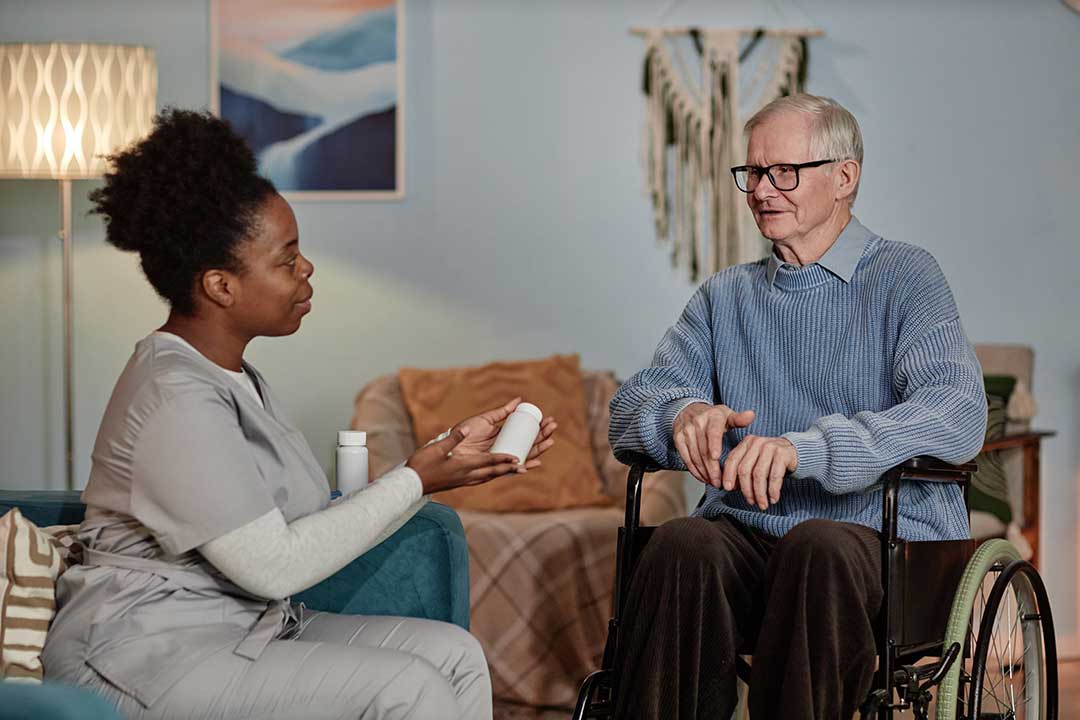
Staff assistance should be balanced carefully. Providing too much help can unintentionally reduce a resident’s opportunities to move or make decisions. Providing too little help can create frustration or safety risks. A thoughtful routine gives residents time to try tasks while offering assistance when needed.
What role do outdoor spaces play?
Outdoor access can make activity more enjoyable and support a stronger connection with the changing seasons. A safe walking path, courtyard, garden area, or shaded seating space may encourage residents to spend time outside for fresh air, light movement, and conversation.
Seasonal planning is especially useful in Hamburg. During warm weather, residents may benefit from morning walks, gardening, or time in a shaded area. During colder months, indoor walking routes and seated activities can help maintain regular movement when outdoor conditions are uncomfortable or unsafe.
Outdoor activity should account for heat, cold, precipitation, uneven surfaces, glare, and access to seating. Footwear, hydration, layers, and supervision may also matter depending on a resident’s needs.
Does staying active include mental and creative activities?
Yes. An active lifestyle includes the mind as well as the body. Reading groups, puzzles, crafts, memory games, educational discussions, cooking demonstrations, and music activities can promote concentration, communication, creativity, and decision-making.
Mental engagement is most effective when activities are neither too easy nor too difficult. A resident may enjoy a familiar card game, while another may prefer learning about local history, discussing current events, or working on a creative project.
Activities should not be treated as tests of memory or ability. The purpose is participation and enjoyment. If a resident has dementia or another cognitive condition, familiar routines, simple choices, music, and sensory activities may be more comfortable than complicated instructions.
What should families ask about activity programs?
Families evaluating assisted living can ask practical questions about how activity is incorporated into daily life. Useful questions include:
- Are activities offered throughout the day or only at set times?
- Can programs be adapted for different mobility levels?
- Is there a safe indoor route for walking during poor weather?
- How are outdoor areas maintained during snow, ice, or extreme heat?
- Are residents encouraged to help choose activities?
- How are new interests or changes in ability identified?
- Can residents participate if they do not enjoy group programs?
- How are rest periods and signs of fatigue handled?
Observing how residents spend unstructured time can be just as informative as reviewing an activity calendar. A balanced setting should provide opportunities for movement, social interaction, quiet time, and personal choice.
An active lifestyle in assisted living is not measured by the number of programs attended. It is reflected in whether residents have regular opportunities to move safely, connect with others, use their abilities, and remain involved in decisions that shape their day.
