
How Are Emergencies Detected in Assisted Living Facilities?
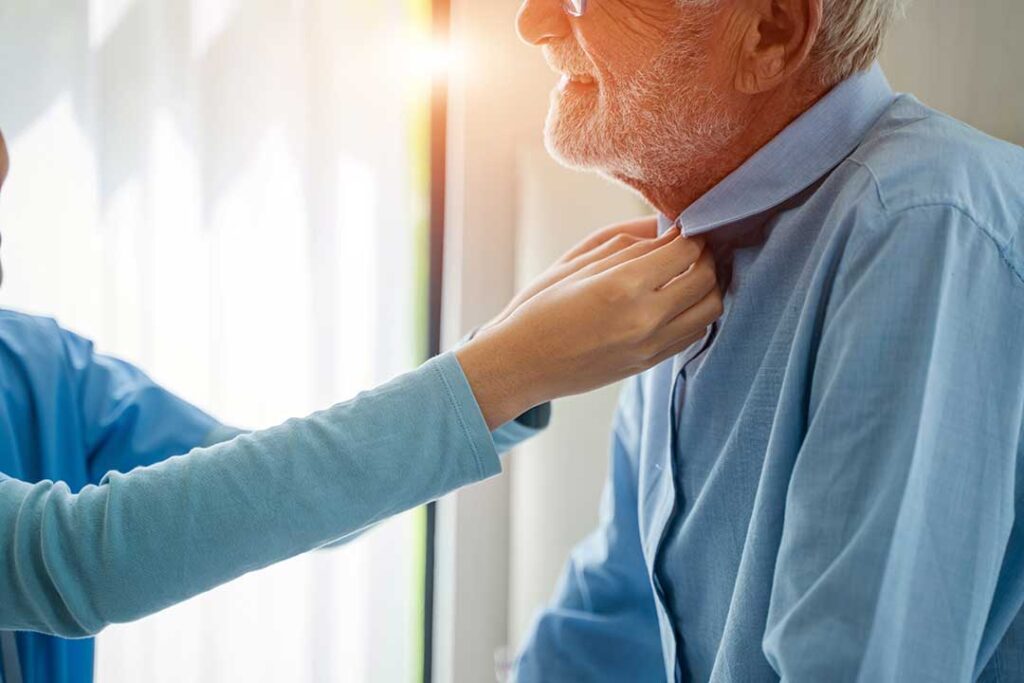
Emergencies in assisted living are most often identified through a combination of staff observation, resident reporting, and electronic alert systems. Residents, visitors, and staff all play important roles in spotting health concerns, sudden illness, falls, or environmental hazards. Many communities use call buttons or wearable pendants, which alert staff immediately to a resident’s urgent need for help.
Routine wellness checks and regular staff walkthroughs are also common, helping spot any signs of distress that residents may not communicate themselves. In the winter, increased vigilance is typical due to risks from icy walks or power outages in and around the city. In every case, the goal is fast, accurate detection to reduce harm and secure swift help.
What Happens Immediately After an Emergency Is Detected?
Once an emergency is recognized, protocols focus on swift response and resident safety. Trained staff are assigned to respond to every alert or call for help, whether it’s health-related (such as a fall or chest pain) or a building issue (like fire or flooding).
The main steps typically include:
- Assessing the situation to confirm the nature and level of crisis
- Providing first aid or initial support within staff training limits
- Contacting emergency services (like 911) when outside help is needed
- Informing responsible family members or designated contacts
For urgent medical issues, staff must rapidly determine if professional emergency responders should be dispatched, especially for situations requiring hospitalization or specialized care. Response practices may adapt seasonally to local risks—for example, hypothermia checks during Hamburg’s winter or additional safety drills after storms.
How Are Residents Informed and Kept Safe During Crises?
Residents receive clear, calm information about the emergency and what action they should take. Staff follow pre-set communication plans designed to ensure everyone knows whether to stay put, move to a safe area, or evacuate if needed.
Common communication methods include:
- Verbal instructions delivered room-to-room, especially for those with hearing or mobility impairments
- Printed notices for more routine or lower-level alerts
- Overhead paging for rapid, building-wide broadcasts
In more severe emergencies, such as fires or region-wide weather events, facilities practice both partial and full evacuations. Staff provide assistance for residents who need help walking, using wheelchairs, or carrying essential items like medications or medical devices.
Are Assisted Living Staff Prepared for a Variety of Emergencies?
Staff in assisted living communities receive training covering a wide array of emergency scenarios. Training includes medical response (from choking to heart attacks), fire safety, severe weather, and protocols for missing residents. The city’s changing seasons and severe weather patterns are reflected in frequent scenario-based drills.
Examples of typical preparedness measures:
- Regular first aid and CPR certification renewal
- Annual fire and evacuation drills, often timed for winter and storm readiness
- Training in communication with emergency responders
- Special guidance for supporting residents with memory loss or sensory impairment
Teams review and update emergency policies based on local public health guidance, regional climate risks, and feedback from previous incidents within the locality.
What Types of Emergency Equipment Are in Place?
Facilities are equipped to manage a range of emergencies with items such as:
- Smoke detectors, carbon monoxide alarms, and fire extinguishers in all common and resident areas
- Backup power generators to maintain heat, lighting, and essential equipment during outages—particularly valuable during the city’s icy winters
- Emergency call and alarm systems connected to staff work stations
- Automated external defibrillators (AEDs) and accessible first-aid kits
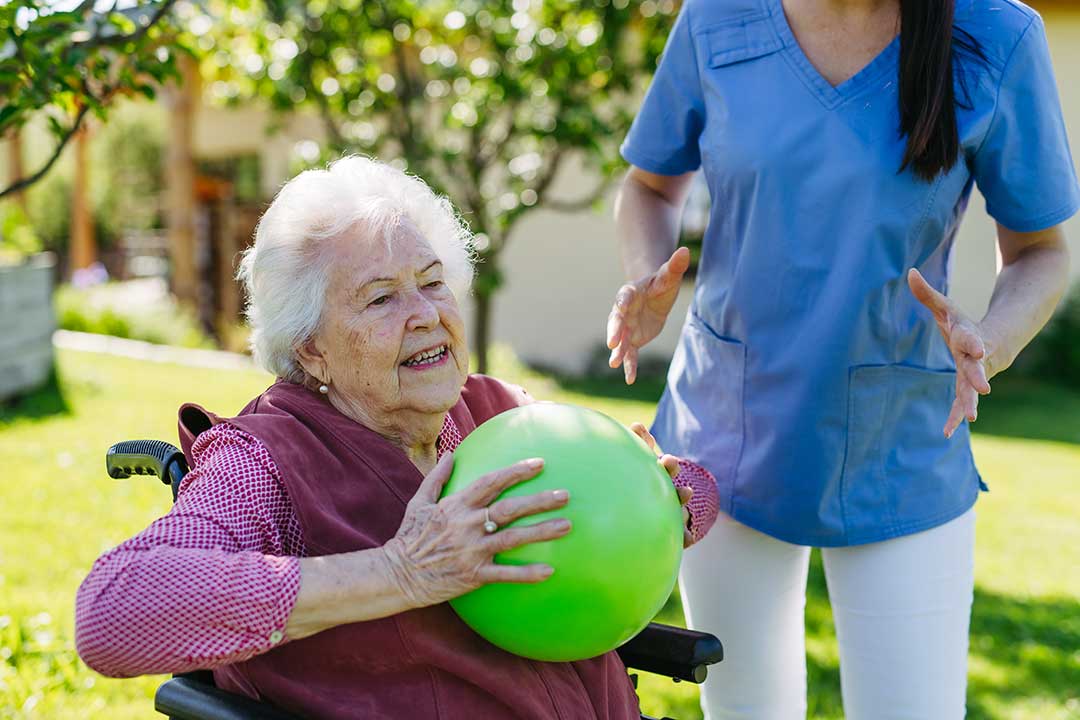
Local building codes and ongoing inspections shape much of the required equipment, ensuring readiness for both personal health emergencies and larger environmental threats.
How Do Families Stay Informed During an Emergency?
Family members are notified quickly when an emergency affects their loved one, either directly or as part of a larger event at the facility. Notification can be by phone, text, or email, depending on preferences set during admission. In citywide emergencies, updates may also be shared through official announcements or local news.
Staff often maintain a list of emergency contacts and communicate with them as soon as the immediate situation is stable. Questions about loved ones' status are taken seriously, and support is offered to help relatives understand next steps.
Are There Misconceptions About How Assisted Living Handles Emergencies?
A common misconception is that assisted living communities function like hospitals, with nurses on hand 24/7 or the ability to provide advanced emergency care onsite. In reality, staff are typically trained for immediate response, urgent first aid, and rapid communication, but must rely on local emergency services for ongoing medical treatment or transport.
Another misunderstanding is that all emergencies lead to evacuation. Most incidents are handled within the facility, moving people as needed for their safety. Only rare, severe events prompt residents to be temporarily relocated, and these efforts are coordinated with local emergency management agencies.
Understanding what support is available helps residents and families make decisions and feel more secure about daily life in the community.
How Can Residents and Families Help Support Emergency Readiness?
Residents and their families contribute to effective emergency management by:
- Keeping emergency contact information current
- Sharing details about medical needs, medications, and equipment
- Asking questions about facility policies and participating in drills when possible
- Preparing personal emergency kits with items such as important documents, prescription copies, and comfort supplies
This shared preparation helps ensure facilities can support residents quickly and appropriately, even during large-scale incidents.
