

Maintaining mental well-being is a cornerstone of healthy aging, yet for many seniors, the challenges of living alone or lacking social engagement can take a toll. In Hamburg, Pennsylvania—a town celebrated for its scenic beauty, warm community spirit, and vibrant local traditions—assisted living has emerged as an invaluable resource for fostering both emotional fulfillment and overall mental health in older adults.
Understanding Mental Well-Being in the Senior Population
Mental well-being encompasses emotional, psychological, and social health. For seniors, this involves much more than just the absence of depression or anxiety; it’s about enjoying life, feeling connected, and having a sense of purpose. Unfortunately, seniors are at higher risk for mental health issues due to factors such as isolation, chronic health problems, and bereavement.
How Assisted Living Addresses Mental Health
Assisted living communities provide a proactive approach by designing environments and routines that specifically nurture residents’ mental well-being. Here’s how:
1. Social Connection and Community Spirit
Isolation is one of the leading causes of depression among seniors. Assisted living in Hamburg, PA, offers daily opportunities for interaction—not just with staff, but also with peers who share similar life experiences.
- Group activities, such as arts and crafts workshops, book clubs, and community gardening, encourage residents to bond over shared interests.
- Communal dining experiences replace solitary meals with conversation and laughter.
- Special events tied to local Hamburg traditions, like the annual Taste of Hamburg-er Festival or holiday parades, keep residents engaged with the wider community.
2. Physical Activity and Outdoor Access
Regular movement is directly connected to improved mood and cognitive health. Assisted living communities in the Hamburg area often take advantage of the region’s plentiful parks, like Kaercher Creek Park or the Appalachian Trail, to promote outdoor activities:
- Daily walking groups or nature strolls take in the views of rolling hills and picturesque farmlands.
- Chair yoga, light aerobics, or tai chi sessions, often held both indoors and outdoors, offer gentle ways for every fitness level to participate.
- Gardening clubs let residents grow flowers or vegetables, providing both physical exercise and a sense of accomplishment.
3. Purposeful Engagement
Assisted living encourages seniors to remain active in meaningful ways, which is vital for self-esteem and cognitive sharpness.
- Residents might volunteer for local Hamburg charities or help organize seasonal community events.
- Life-long learning classes—such as local history lectures or painting lessons—allow continued intellectual engagement.
- Residents’ councils empower seniors to participate in decision-making, from menu planning to activity scheduling.
4. Tailored Support and Personalized Care
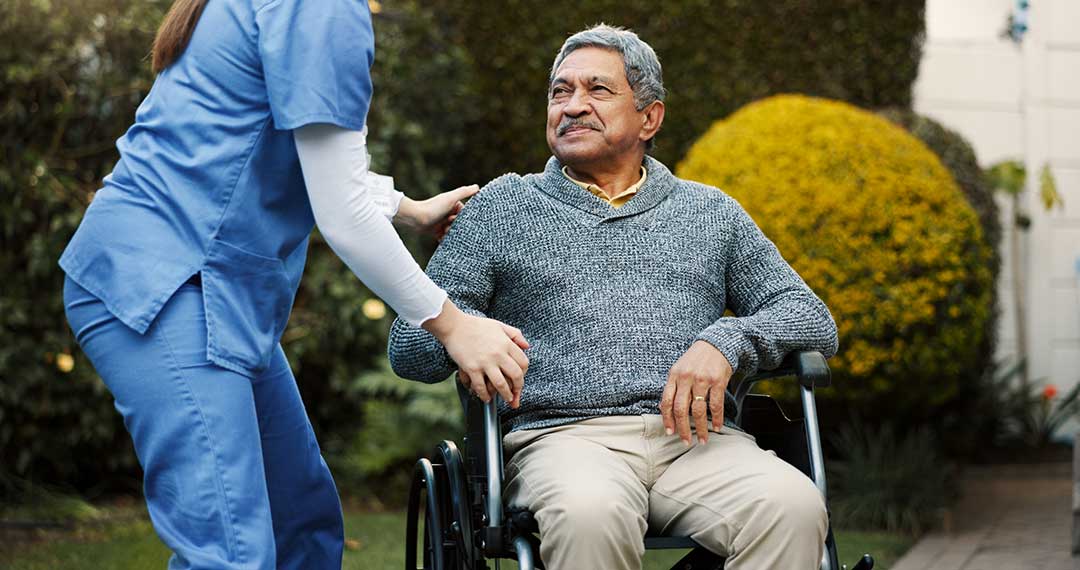
Mental well-being is closely linked to feeling cared for and understood. Assisted living communities employ trained staff who provide not only physical assistance but also emotional support tailored to each individual.
- Consistent, friendly caregivers reduce anxiety and foster trust.
- Personalized care plans ensure that residents receive the right balance of independence and help.
- Support groups for grief, chronic illness, or transitioning to a new living environment offer a safe space to process emotions.
5. Family Involvement
Assisted living does not mean severing family ties. Many Hamburg communities create welcoming environments for family visits and involve relatives in care planning.
- Regular family days, special dinners, and intergenerational events keep loved ones involved.
- Flexible visiting policies mean family and friends can drop in to share memories or join activities.
The Hamburg, PA Advantage
What distinguishes assisted living in Hamburg, Pennsylvania, is the small-town warmth and sense of belonging. Here, staff members often know residents by name—not just as a matter of routine, but as part of a genuine community. The local culture values respect for elders, and vibrant intergenerational connections are common.
Additionally, Hamburg’s tranquil natural setting, with its scenic views and fresh mountain air, contributes to peace of mind and relaxation. Local partnerships with organizations, such as the Hamburg Public Library and the Our Town Foundation, lead to frequent guest events and cultural enrichment right at residents’ doorstep.
Frequently Asked Questions: Assisted Living and Mental Health
Q: Does assisted living mean giving up independence?
A: No. Assisted living is designed to support residents in maintaining as much independence as possible, while offering help where needed.
Q: What mental health services are available in assisted living?
A: Many communities offer on-site counseling, support groups, and mental wellness programs, plus regular check-ins from trained staff.
Q: How do I know if my loved one would benefit from assisted living?
A: If your loved one feels lonely, struggles with daily tasks, or seems to lose interest in hobbies, they could thrive with the structure, socialization, and support that assisted living provides.
Conclusion: Assisted Living as a Pathway to Mental Wellness
For families in Hamburg, Pennsylvania, choosing assisted living is more than selecting a new home—it’s opting for an environment that actively nurtures mental health. Through social connectivity, purposeful activities, expert support, and community belonging, seniors find renewed joy and meaning in their golden years.
If you’re considering assisted living for yourself or a loved one in Hamburg, PA, remember: prioritizing mental well-being leads to happier, healthier days ahead.
