
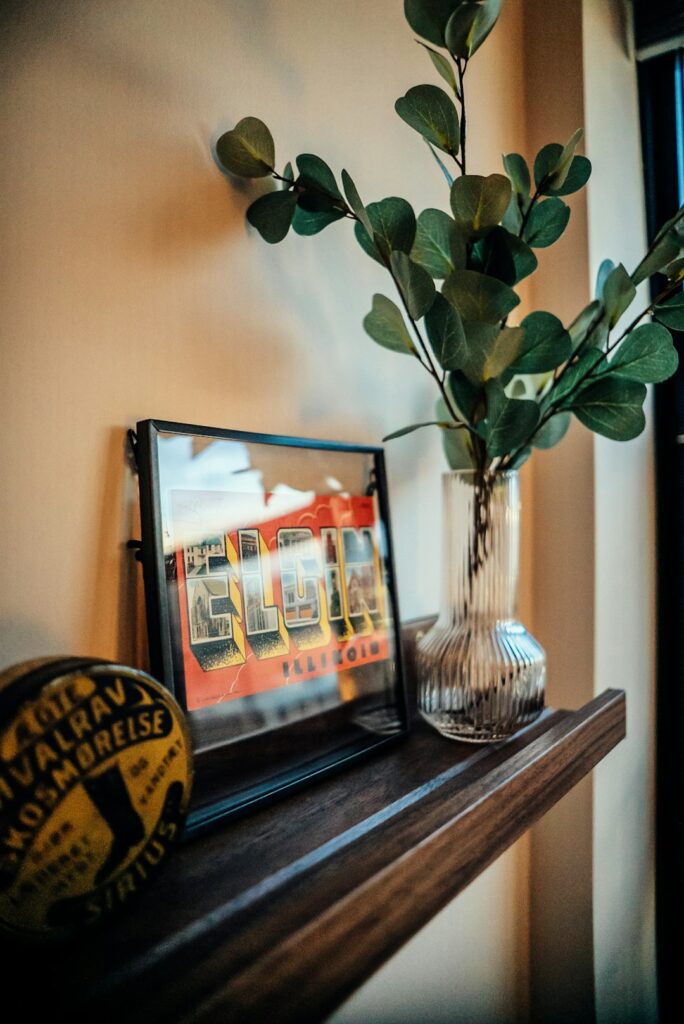
Moving into assisted living often involves more than arranging furniture. It means adapting a personal living space to new routines, shared services, safety features, and sometimes a smaller floor plan. Thoughtful choices can help an apartment feel familiar, comfortable, and easier to use.
What should come into an assisted living apartment first?
The first items should support daily routines and emotional comfort: a familiar chair, favorite bedding, family photographs, a clock, reading materials, and clothing that is easy to reach and manage.
Before moving belongings, review the apartment’s dimensions, storage areas, electrical outlets, doorway widths, and any rules about furnishings or wall decorations. Measuring first prevents overcrowding and makes it easier to decide what truly belongs in the space.
A useful approach is to divide belongings into three groups:
- Items needed every day
- Items that provide comfort or personal meaning
- Items that can remain with family or be stored elsewhere
This process is not about removing personality. It is about making the apartment easier to navigate and maintain.
How can furniture be arranged for safety and comfort?
Furniture should leave clear walking paths from the bed to the bathroom, from the main seating area to the entrance, and around any mobility equipment. Avoid placing small tables, footstools, baskets, or electrical cords where they could become tripping hazards.
A comfortable arrangement may include:
- A sturdy chair with arms near a reading lamp
- A small table for glasses, water, a phone, or a book
- A bed positioned so both sides are accessible when possible
- Frequently used clothing stored between waist and shoulder height
- A clear path to the bathroom and apartment entrance
Loose rugs deserve special caution because they can slide or curl at the edges. If floor coverings are permitted, they should lie flat and be secured appropriately. Any change in balance, vision, or walking ability should prompt a review of the room arrangement.
The apartment should also allow staff or family members to assist safely if needed. A layout that looks attractive but leaves little room to move may become difficult later.
Which personal items make a new apartment feel familiar?
Familiar objects can reduce the sense of disruption that sometimes comes with a move. Personalization does not require expensive décor. A few meaningful items may have more value than a room filled with possessions.
Consider bringing:
- Framed family photographs
- A favorite quilt or throw blanket
- Artwork, certificates, or handmade items
- A familiar lamp, if it meets facility requirements
- A small collection of books, records, or craft supplies
- A calendar with birthdays and regular events
- A favorite scent through approved unscented or lightly scented items
Some residents feel more comfortable when the apartment reflects earlier homes. Others prefer a simpler, uncluttered look. The right choice depends on personal habits, memory, mobility, and the amount of help needed with housekeeping.
Photographs can be especially useful for creating a sense of continuity. Displaying them at eye level may make the room feel more personal than placing many items on high shelves or crowded surfaces.
How should belongings be organized in a smaller space?
Organization works best when items are stored according to how often they are used. Daily necessities should be visible and reachable. Less frequently used items can go in drawers, closets, or labeled containers.
Clear organization may include:
- Separating everyday clothing from seasonal clothing
- Using drawer organizers for socks, undergarments, or personal items
- Keeping personal care supplies together
- Labeling storage containers when memory problems are present
- Placing frequently used beverages or snacks where they can be reached safely
- Limiting duplicates of items that are already supplied through routine services
In Hamburg, changing seasons may require clothing for cold winters, wet spring days, warm summers, and unpredictable fall weather. Keeping a smaller seasonal selection in the apartment can reduce clutter while allowing suitable clothing to remain available.
Heavy objects should not be stored overhead, especially if reaching or balance is difficult. Items that require bending, climbing, or stretching may be better stored elsewhere.
What safety features should be considered before decorating?
Safety should guide personalization rather than be added afterward. Before hanging pictures, rearranging furniture, or adding appliances, review the apartment’s rules and any recommendations related to mobility, fire prevention, and electrical use.
Pay attention to:
- Smoke detectors, sprinkler equipment, and emergency communication devices
- Clear access to doors, windows, and heating or cooling controls
- Safe use of lamps and extension cords
- Placement of medical equipment or mobility aids
- Bathroom access and nighttime lighting
- Items that could fall, break, or create sharp edges

Night-lights or motion-sensitive lighting may help residents who wake after dark, if permitted. A lamp should be easy to turn on without reaching across a bed or walking through a dark room.
Candles, portable heaters, cooking devices, and other heat-producing items may be restricted. Rules can vary, so residents and families should check before bringing them into the apartment.
How can an apartment support memory and independence?
A personalized apartment can provide visual cues that make daily routines easier. For example, a large clock, clearly displayed calendar, labeled drawers, or a photograph near the bathroom door may help with orientation.
Doors, drawers, and closets can be identified with simple words or pictures when appropriate. A resident who has difficulty finding personal belongings may benefit from consistent storage locations. Items should not be moved unnecessarily, because predictable placement can support independence.
Personalization may also include a small activity area. Depending on the resident’s interests, this could be a table for puzzles, writing, cards, knitting, music, or sorting photographs. The area should have adequate lighting and enough room to use supplies without blocking walking paths.
The goal is not to make the apartment look like a display room. It is to make ordinary tasks easier and more familiar.
How can families personalize the space without taking over?
Family members often want to make the apartment welcoming, but the resident’s preferences should guide the process whenever possible. Too many changes at once can feel confusing or overwhelming.
A gradual approach may work better:
- Set up the basic sleeping and seating areas first
- Add a few photographs or familiar objects
- Ask what feels missing after the first week
- Remove items that create clutter or discomfort
- Revisit the arrangement as needs change
If memory loss, vision changes, or physical limitations are involved, observe how the resident actually uses the space. An arrangement that seems logical to someone else may not be easy for the resident to understand.
Personal items should also be marked discreetly when laundry or shared activities are involved. Labeling clothing and removable belongings can reduce confusion and loss.
What should be reviewed after moving in?
Personalization is an ongoing process. The apartment may need adjustments after the resident begins using it during real morning, evening, and nighttime routines.
Look for signs that changes are needed:
- The resident avoids a chair or table
- Clothing remains difficult to reach
- Items are frequently misplaced
- Walking paths become crowded
- Lighting feels insufficient
- The resident appears less comfortable or less independent
Seasonal changes, health changes, and new mobility equipment may also require a new arrangement. In a community setting, it is helpful to coordinate changes with the resident’s care plan and apartment policies.
The most successful apartment is not necessarily the most decorated. It is a space that reflects the resident’s history, supports safe movement, makes important belongings easy to find, and provides enough familiarity to feel genuinely personal.
